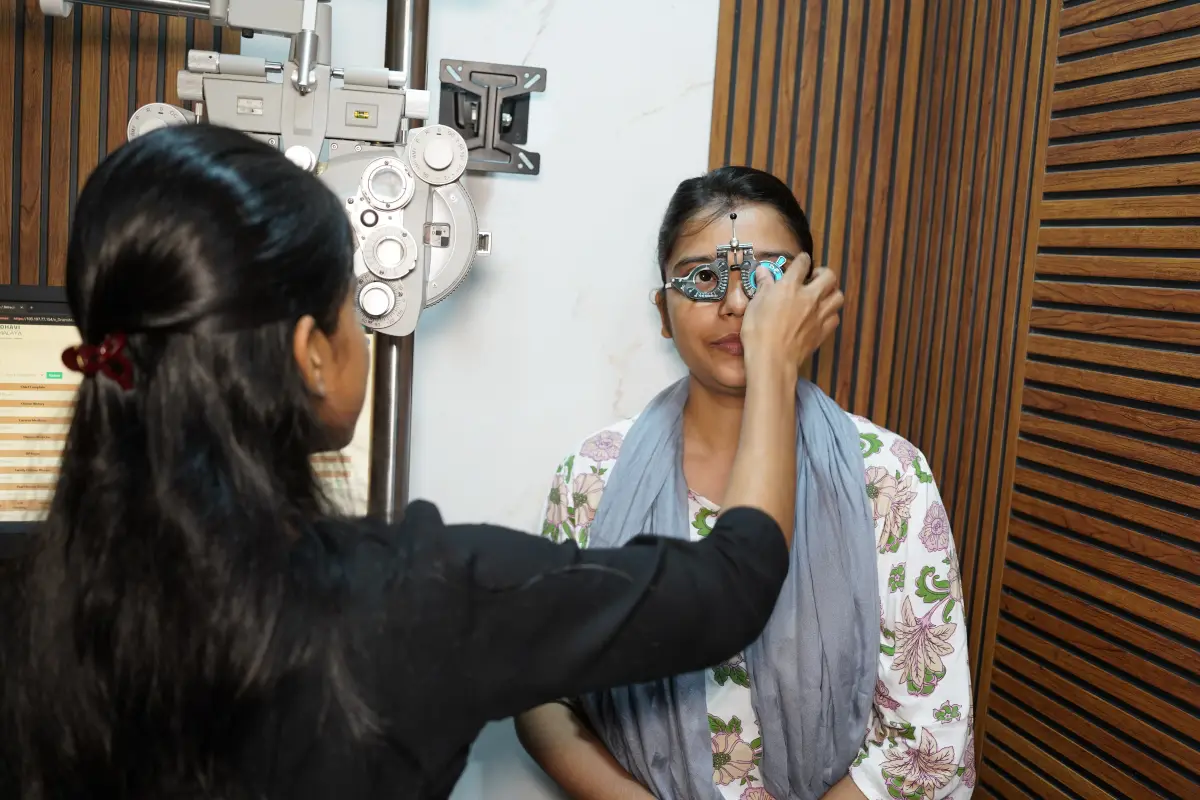
A child's minus power can change quickly. What matters clinically is axial length — how much the eye is physically elongating. Repeated refraction alone cannot tell you whether myopia is still progressing or your treatment is working.
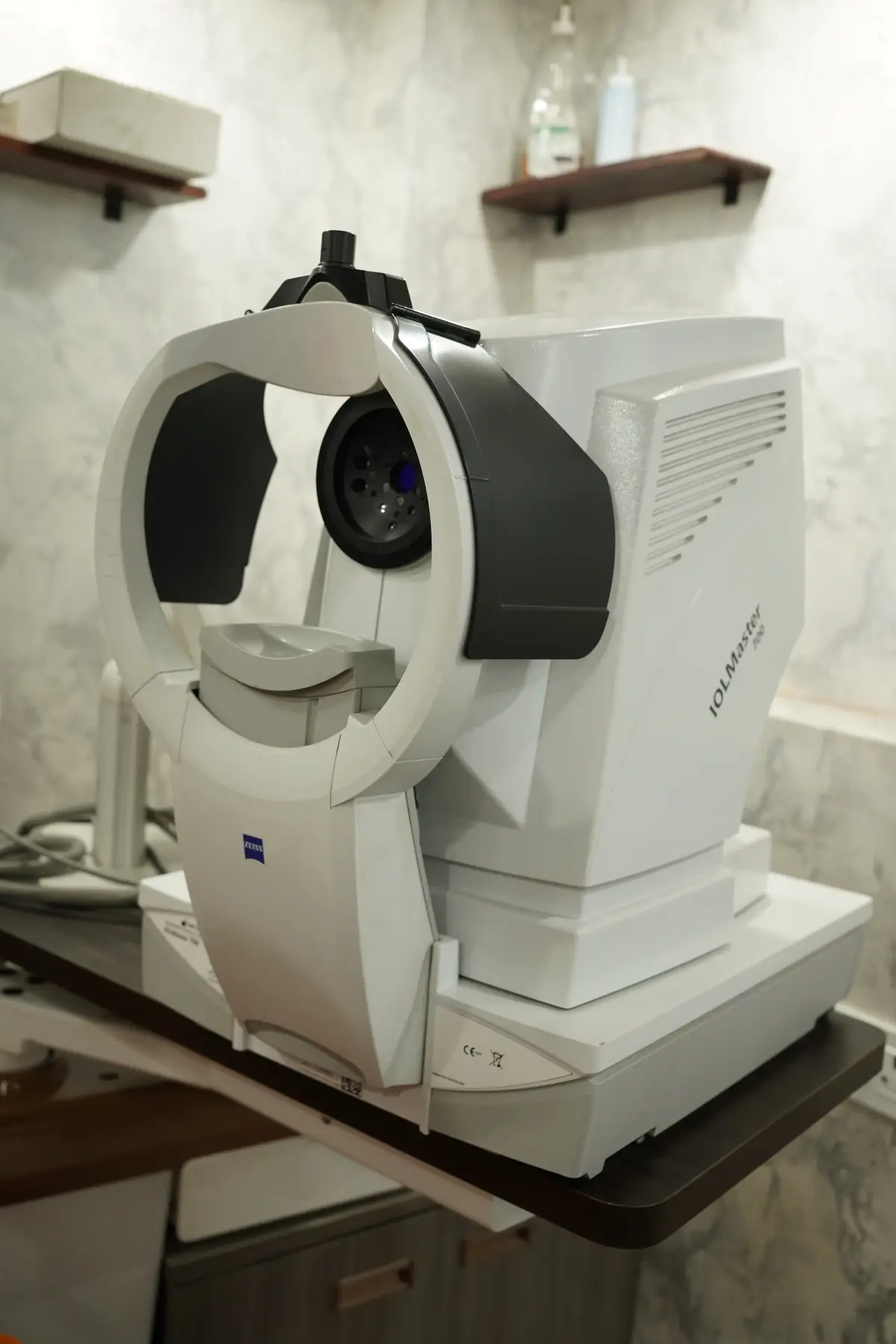
With Zeiss IOLMaster 700, we measure axial length with sub-millimetre precision at every visit — the same gold-standard platform used for cataract biometry, now applied to longitudinal myopia monitoring. Trends over time guide when to intensify prevention, switch therapy, or reassure parents that progression has stabilised.
From slowing myopia progression to restoring lazy-eye vision — every pathway is evidence-based, child-centred, and supported by hospital-grade diagnostics.
Serial measurements on Zeiss IOLMaster 700 track how fast a child's eye is growing. This is the most reliable way to monitor myopia progression and judge whether your current prevention plan is working — before the prescription jumps again.
High myopia increases the lifetime risk of peripheral retinal degeneration, lattice, holes, and detachment. Zeiss Clarus 700 captures ultra-widefield, true-colour images of the peripheral retina — often without dilation — so pathology in the far periphery is not missed in growing eyes.
We build a personalised prevention plan for each child — combining lifestyle counselling (outdoor time, screen habits), specially designed myopia control spectacles, and evidence-based pharmacologic options such as low-concentration atropine where appropriate. The goal is to slow axial elongation, not just update glasses.
Lazy eye (amblyopia) needs more than patching alone in many children. Bynocs dichoptic therapy uses interactive digital exercises to rebalance input between both eyes — improving fusion and visual acuity in a engaging, home-based protocol supervised by our team.
The same platforms that power our adult cataract and retina services — applied to paediatric myopia surveillance and peripheral retina safety.
Optical biometry for precise axial length, keratometry, and anterior chamber depth. Essential for charting myopia progression and planning long-term eye health in children and teenagers.

200° true-colour fundus imaging to document peripheral retina in myopic eyes — detecting lattice degeneration, holes, and other peripheral findings that standard cameras miss.
Whether you have noticed increasing minus power, a squint, lazy eye, or simply want baseline myopia screening before school starts — our paediatric pathway starts with measurement, not just a new pair of glasses.